

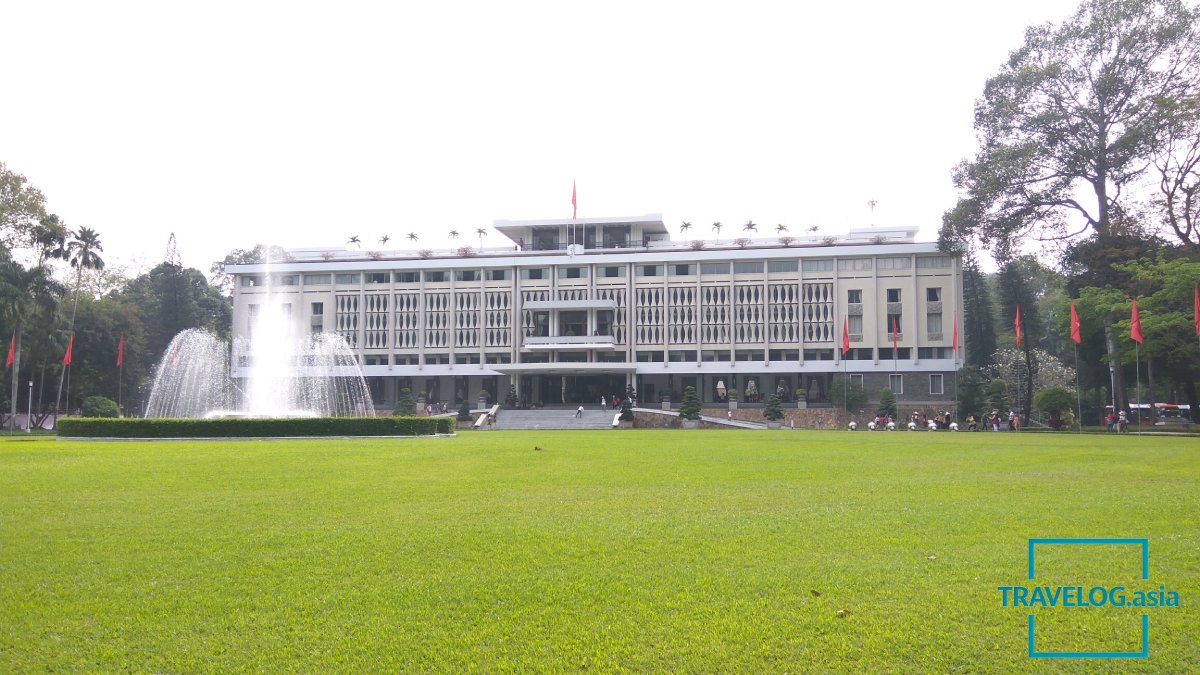
The Independence Palace—also widely known as the Reunification Palace—is one of Vietnam’s most historically significant landmarks located in the vibrant center of Ho Chi Minh City, Vietnam. This iconic site offers visitors a powerful glimpse into the country’s modern history and political transformation.
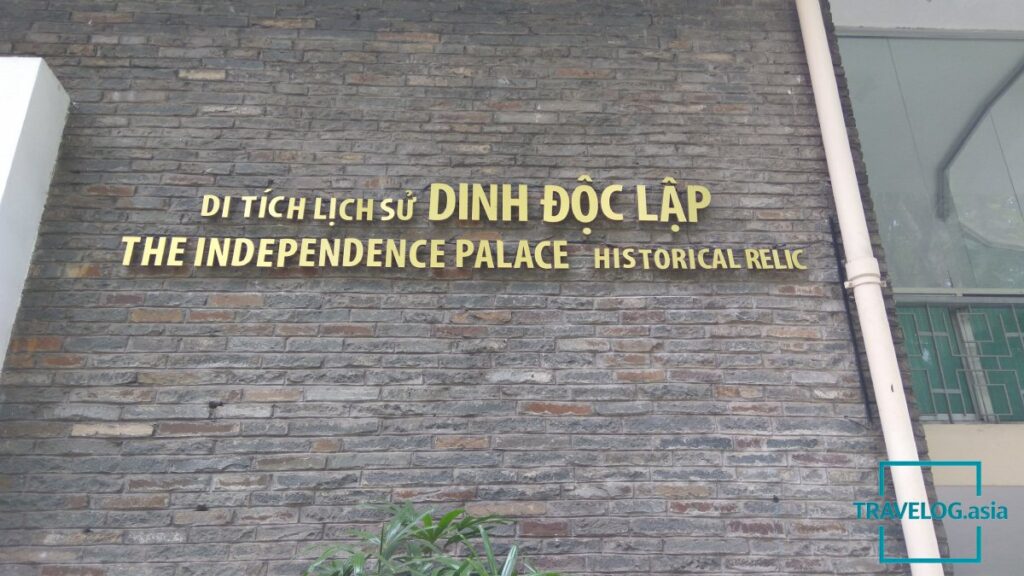
The palace was designed by renowned Vietnamese architect Ngô Viết Thụ and once served as the residence and workplace of the President of Republic of Vietnam (South Vietnam).
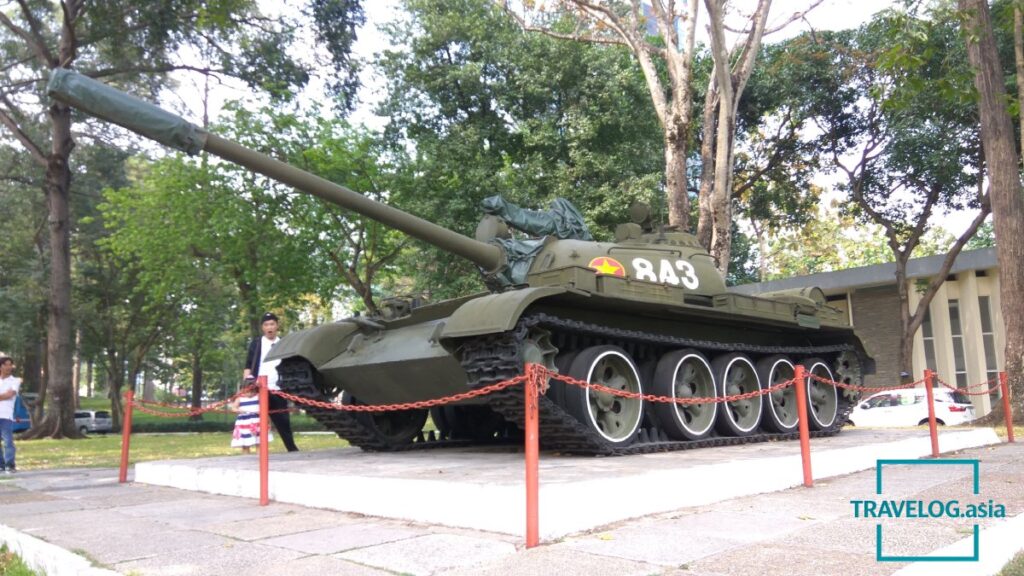
It gained global recognition during the Fall of Saigon on 30 April 1975, a defining moment that marked the end of the Vietnam War. On that day, a tank from the Liberation Army famously broke through the palace gates, symbolizing the reunification of the country.
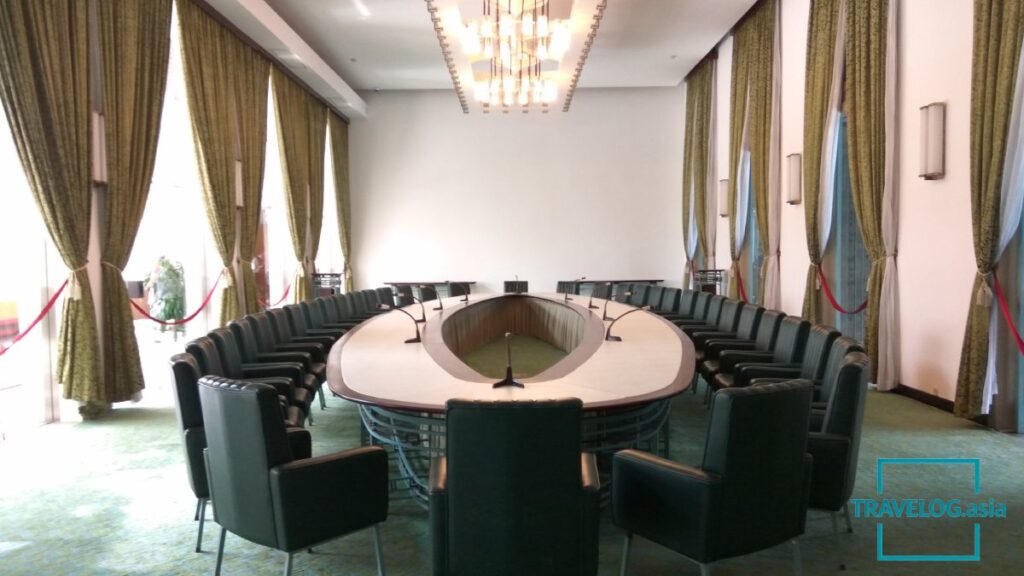
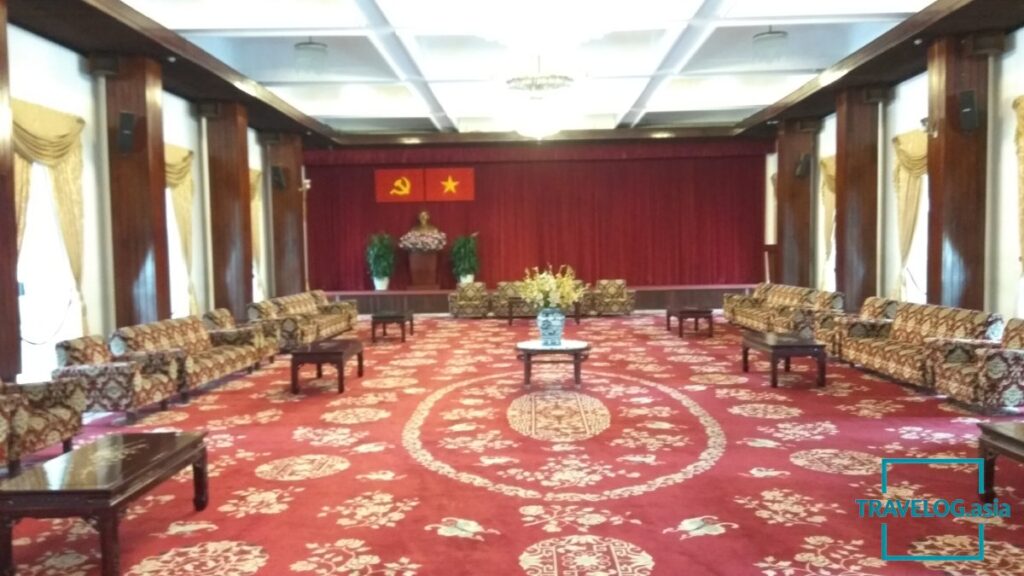
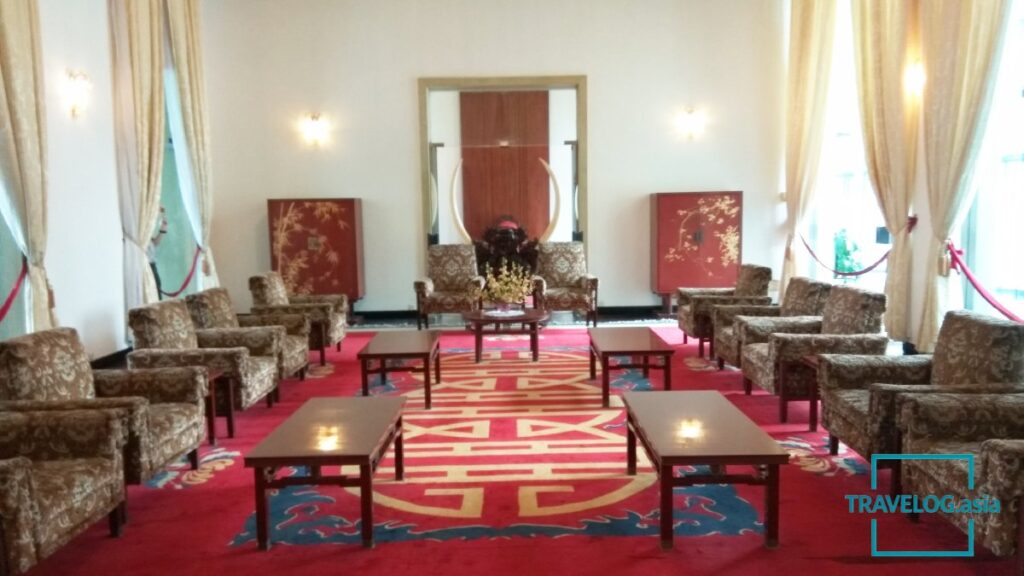
Following the reunification of Vietnam, the palace continued to function as a government and presidential office for a short period. In 1976, when the capital was officially relocated to Hanoi, administrative operations were moved, and the building transitioned into a new role.
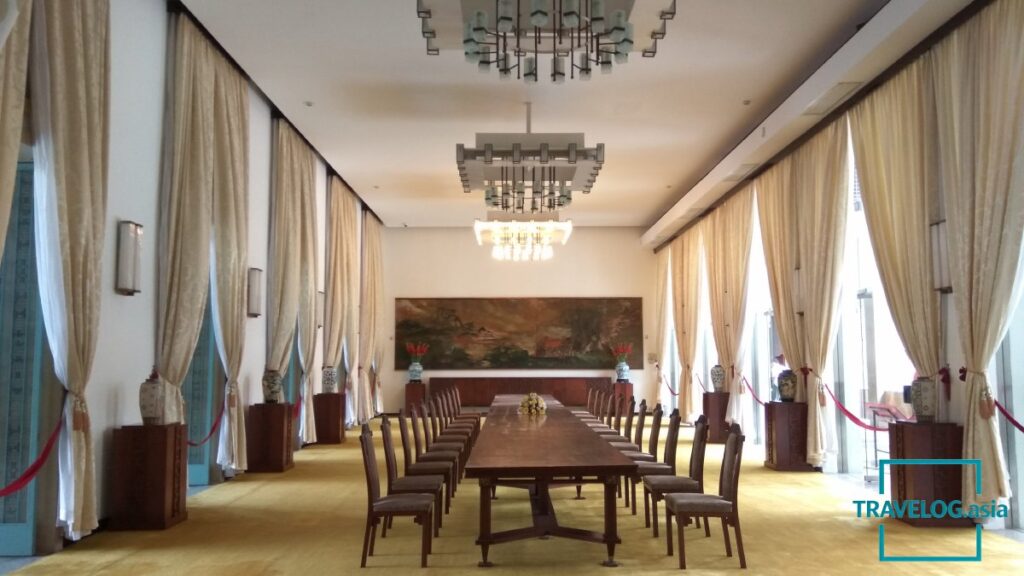
Today, the Independence Palace is preserved as both a historic monument and a functional venue for state events and official receptions. It also operates as a public museum, allowing visitors to explore its well-preserved rooms, underground bunkers, and war command centers.
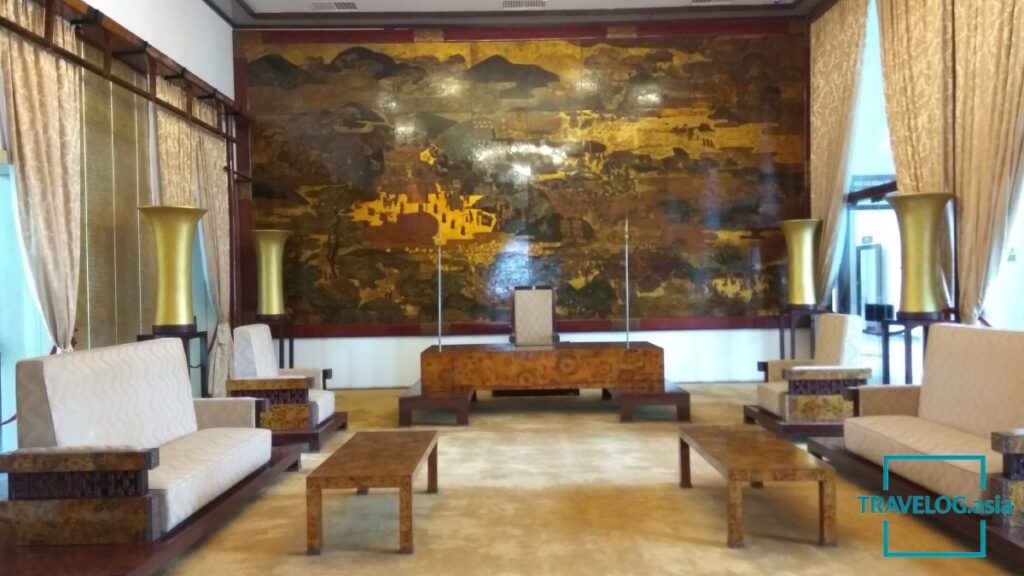
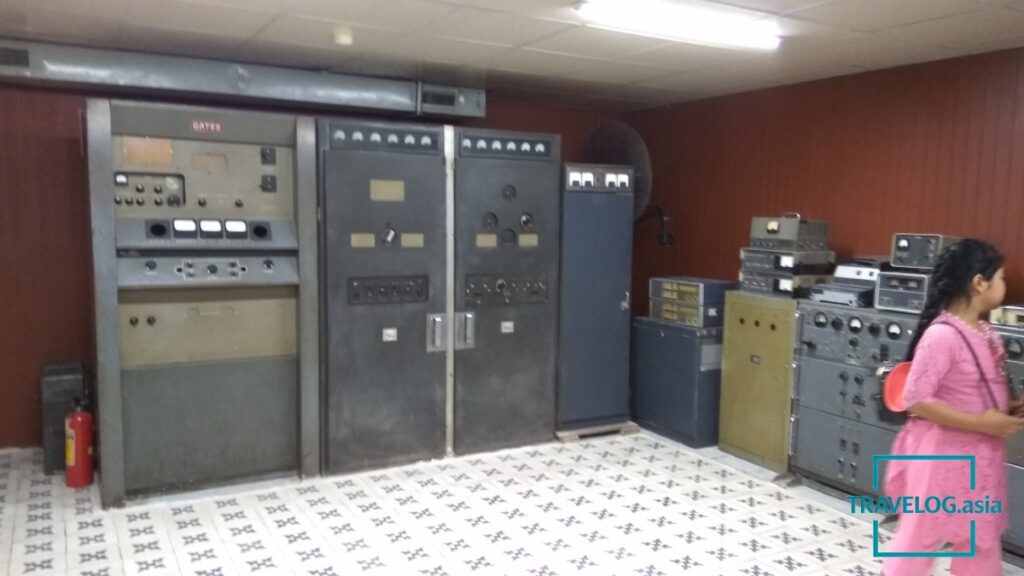
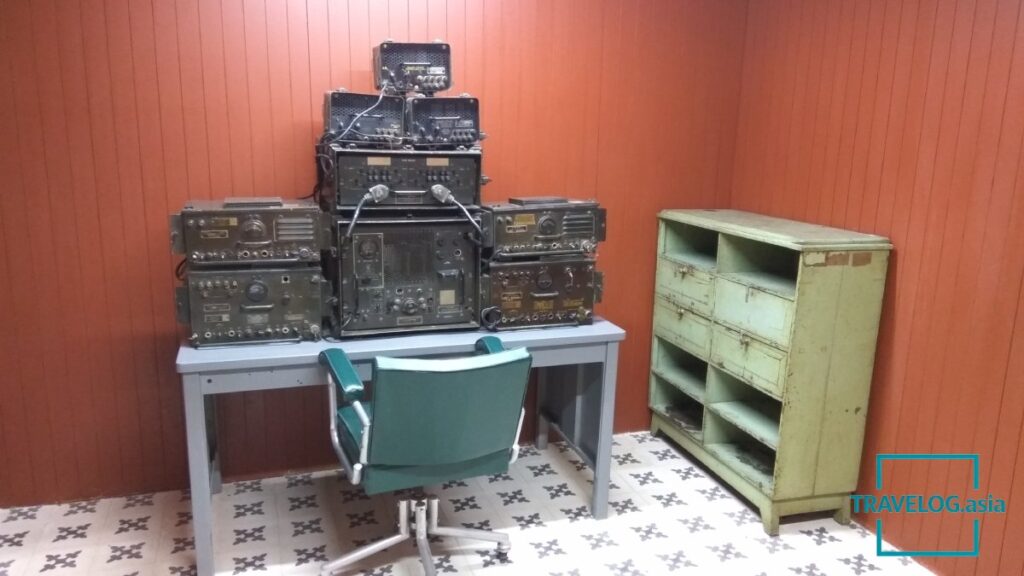
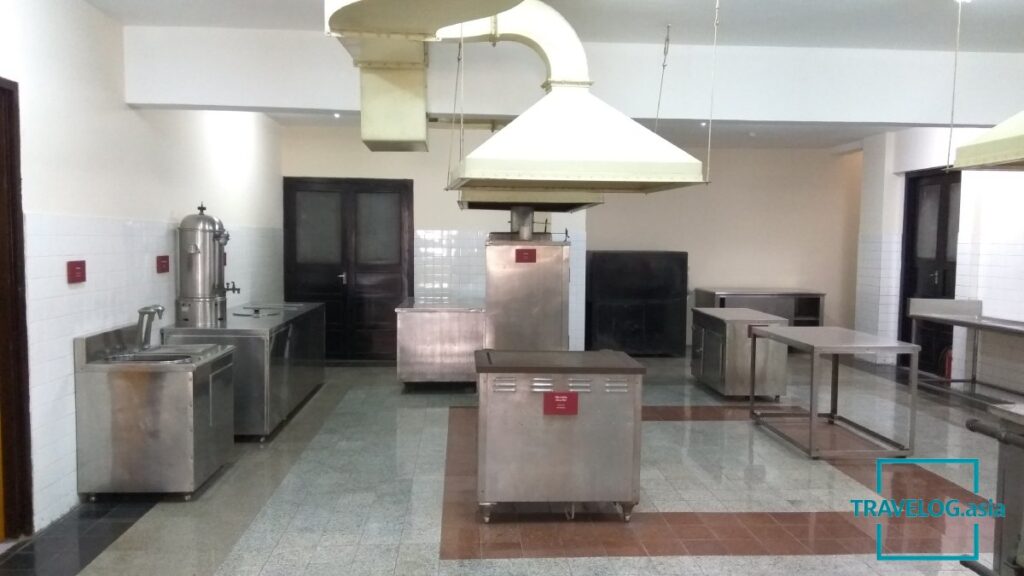
As one of the most popular tourist attractions in Ho Chi Minh City, the palace stands as a powerful symbol of Vietnam’s resilience, unity, and historical journey—making it an essential stop for travelers seeking cultural and historical insight.
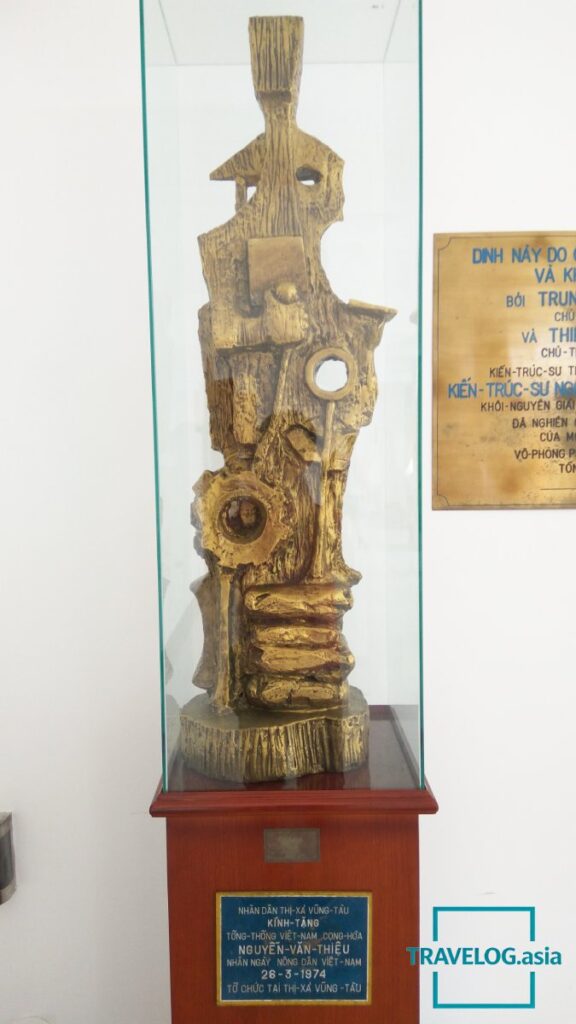
Operating Hours:
- Monday – Sunday 7:00 AM – 6:00 PM
Contact Info:
- Phone Number: +842838223652
- Address: Ben Thanh, District 1, Ho Chi Minh, Vietnam.
